Thinking About Renting Out Your Home? Here's What You Should Know First
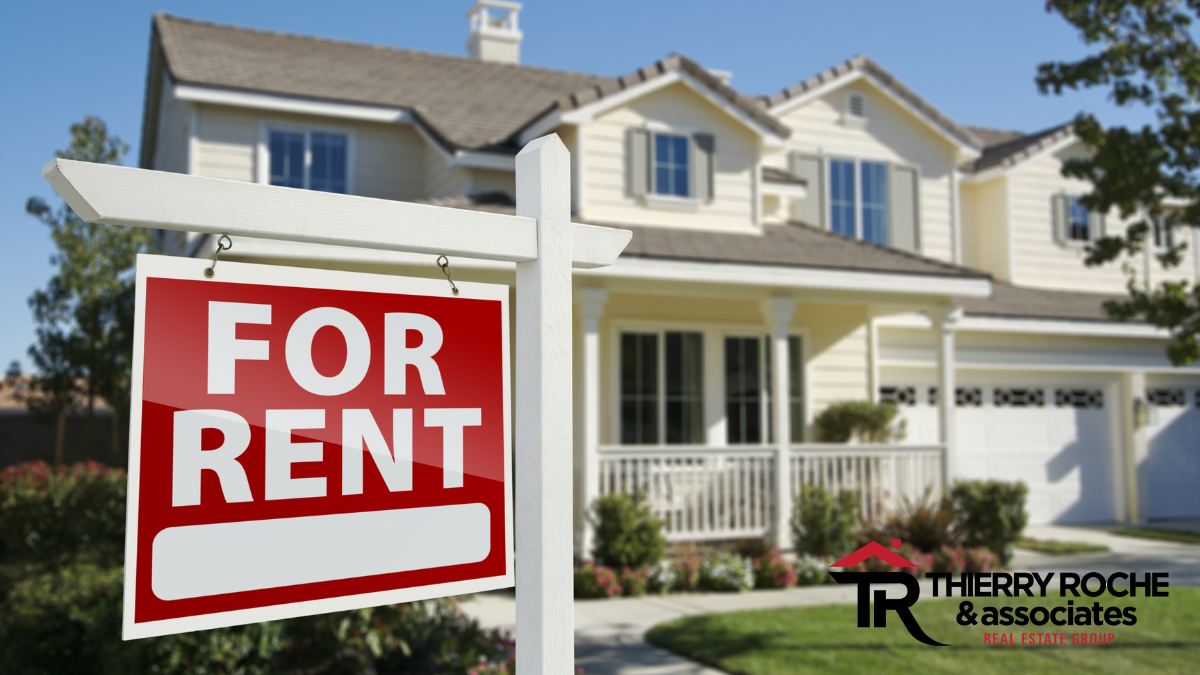
Whether you're relocating for work, upgrading to a larger home, or simply exploring ways to generate additional income, turning your current home into a rental can be an excellent long-term investment. But becoming a landlord involves much more than collecting monthly rent.
Before handing over the keys to a tenant, it's important to understand the financial, legal, and practical responsibilities that come with owning rental property.
Here are some key considerations to help you decide whether renting out your home is the right move.
Start With the Numbers
Before making the decision to rent your home, take a close look at the financial picture.
Calculate all of your ongoing expenses, including:
- Mortgage payments
- Property taxes
- Homeowners insurance
- Maintenance and repair costs
- HOA dues, if applicable
- Vacancy and unexpected expenses
Then compare those costs to realistic rental income in your area. A rental property should support your long-term financial goals—not create unexpected financial strain.
Research Market Rent Carefully
Setting the right rental price is one of the most important decisions you'll make.
Pricing your home too high can lead to longer vacancy periods, while pricing it too low may reduce your return on investment.
Research comparable rental properties in your neighborhood or work with a local real estate professional who understands your market. Accurate pricing helps attract qualified tenants while keeping your property occupied.
Check HOA Rules and Local Regulations
Before advertising your property for rent, verify that you're allowed to do so.
Some homeowners associations limit or prohibit rentals. Certain cities and counties may also have licensing requirements, occupancy rules, or rental regulations that owners must follow.
If you still have a mortgage, it's also worth reviewing your loan terms to ensure there are no occupancy requirements that could affect your plans.
Prepare Your Home Like an Investment
A rental property should be clean, safe, and well maintained before tenants move in.
Taking care of deferred maintenance now often helps prevent larger, more expensive issues later.
Consider:
- Completing necessary repairs
- Servicing HVAC systems
- Checking plumbing and electrical systems
- Repainting worn areas
- Ensuring smoke and carbon monoxide detectors are functioning properly
Well-maintained homes typically attract better tenants and experience fewer maintenance problems over time.
Understand Your Responsibilities as a Landlord
Owning rental property means more than receiving rent payments each month.
Landlords are responsible for maintaining the property, responding to repair requests, communicating with tenants, complying with lease agreements, and following applicable landlord-tenant laws.
Understanding these responsibilities before you rent your home can help you avoid costly mistakes down the road.
Tenant Screening Is One of the Most Important Steps
The quality of your tenant can significantly impact your experience as a landlord.
A thorough screening process often includes:
- Credit checks
- Income verification
- Employment verification
- Rental history
- Reference checks
- Background screening, where permitted by law
Taking the time to carefully evaluate applicants can reduce the likelihood of payment issues or property damage later.
Review Your Insurance Coverage
Your current homeowners insurance may not provide adequate protection once your home becomes a rental property.
Many rental homes require landlord insurance, which is designed to protect the property differently than an owner-occupied policy.
Before renting your home, speak with your insurance agent to make sure you have the appropriate coverage in place.
Consider Hiring a Property Manager
Not every homeowner wants to handle late-night maintenance calls, rent collection, lease renewals, and tenant communication.
If you prefer a more hands-off approach, a professional property management company can handle many of the day-to-day responsibilities on your behalf.
While management services come with a fee, many owners find the convenience and expertise well worth the investment.
Think Beyond Monthly Rental Income
Rental property has the potential to provide benefits beyond monthly cash flow.
Over time, tenants may help pay down your mortgage while your property has the opportunity to appreciate in value. Depending on your individual tax situation, owning rental property may also offer certain tax advantages. Because tax rules vary, it's always wise to consult with a qualified tax professional for guidance specific to your circumstances.
Have an Exit Strategy
Before you rent your home, ask yourself what your long-term plan is.
Do you hope to:
- Generate rental income for many years?
- Build long-term wealth through real estate?
- Eventually move back into the home?
- Sell the property when market conditions are favorable?
Having a clear strategy helps guide better financial and investment decisions throughout the life of the property.
The Bottom Line
Renting out your home can be a smart financial move, but success begins long before you find your first tenant.
Taking the time to understand your finances, research the local rental market, prepare the property, screen tenants carefully, and develop a long-term plan can help you maximize your investment while minimizing surprises.
If you're considering renting out your home and want to understand your property's rental potential, I'd be happy to help you evaluate your options, discuss local market conditions, and determine whether becoming a landlord aligns with your long-term real estate goals.
Categories
Recent Posts