How Important Is a Home Inspection?
Why one of the smallest investments in the home-buying process can protect one of the biggest purchases you'll ever make.
Buying a home is exciting, but it's also one of the largest financial decisions most people will ever make. While it's easy to fall in love with a home's curb appeal, updated kitchen, or beautiful backyard, what you can't see during a showing can sometimes be far more important than what you can.
That's why a home inspection is such a critical part of the buying process.
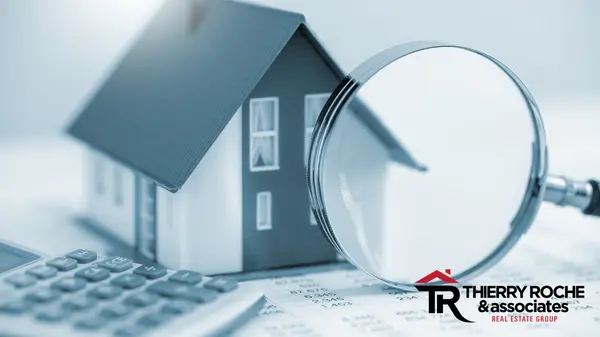
A professional home inspection isn't about finding reasons to walk away from a home. It's about giving you the information you need to make a confident, informed decision before closing.
Every Home Has Imperfections
Even homes that appear to be in excellent condition can have hidden issues.
Over time, every home experiences normal wear and tear. Roofing materials age, HVAC systems lose efficiency, plumbing components wear out, and electrical systems may need updates. Some of these issues aren't obvious during a walkthrough but can become expensive surprises after you move in.
A home inspection helps uncover these items before they become your responsibility.
Looking Beyond What You Can See
Home inspectors evaluate much more than cosmetic features.
A typical inspection includes major components such as:
- Roofing
- Foundation
- Attic and insulation
- Plumbing systems
- Electrical systems
- Heating and cooling equipment
- Drainage and grading
- Windows and doors
- Structural components
These are areas most buyers simply aren't equipped to evaluate during a showing.
Making an Informed Decision
One of the greatest benefits of a home inspection is knowledge.
The inspection report provides valuable information that helps buyers determine whether to:
- Move forward confidently
- Request repairs
- Negotiate seller concessions or credits (when permitted by the contract)
- Budget for future maintenance
- Reconsider the purchase if significant issues are discovered
Having this information upfront allows you to make decisions based on facts rather than assumptions.
Safety Matters
Some issues go beyond maintenance and can involve health or safety concerns.
Depending on the property, an inspection may identify:
- Electrical hazards
- Structural concerns
- Water intrusion or moisture issues
- Improper installations
- Ventilation concerns
- Drainage problems
Identifying these items before closing gives buyers the opportunity to better understand the home's condition and determine the best path forward.
It's Not About Finding a "Perfect" Home
No home is perfect.
Even newly built homes can have defects or incomplete work.
The goal of a home inspection isn't to receive a perfect report. Instead, it's to understand:
- Which items require immediate attention
- Which repairs are routine maintenance
- Which systems may need replacement in the coming years
A good inspection helps buyers separate normal homeownership responsibilities from more significant concerns.
It Can Strengthen Your Negotiating Position
Depending on your purchase contract and current market conditions, inspection findings may provide opportunities to negotiate.
Possible outcomes include:
- Seller repairs before closing
- Seller credits toward repairs
- Price adjustments
- Agreement to move forward as-is
Your real estate agent can help you evaluate your options and determine the most appropriate response based on the inspection findings.
Plan for Future Homeownership Costs
Not every issue uncovered during an inspection requires immediate action.
Many reports identify components that are nearing the end of their expected lifespan, allowing buyers to begin planning financially for future replacements.
For example, knowing that a water heater or roof may need replacement within the next few years gives you time to budget rather than being caught off guard.
Reduce Guesswork and Gain Peace of Mind
Buying a home without an inspection means accepting risks that may not become apparent until after you've taken ownership.
While no inspection can uncover every possible issue or predict future failures, it significantly reduces uncertainty by providing an objective evaluation of the property's condition at the time of the inspection.
That peace of mind is often well worth the investment.
The Bottom Line
A home inspection is one of the smartest investments you can make during the home-buying process. It provides valuable insight into the condition of the property, helps identify potential issues before they become costly surprises, and gives you the information you need to make confident decisions.
Whether you're purchasing your first home or your fifth, understanding what you're buying is just as important as finding the right location or negotiating the right price.
If you're preparing to buy a home, I'd be happy to walk you through the inspection process, recommend trusted local inspectors, and help you understand the findings so you can move forward with confidence.
Categories
Recent Posts