Why Some Homeowners Stay Too Long and What It Costs Them
For many homeowners, the decision to move isn’t simply about real estate. It’s about comfort, memories, routines, and the emotional connection we build with the place we call home. Because of that, it’s common for people to stay in a home longer than they originally planned.
There’s nothing wrong with staying where you’re comfortable. But sometimes staying too long can quietly create costs and missed opportunities that homeowners don’t realize until much later.
Understanding these patterns can help homeowners make more thoughtful decisions about their future.
Comfort Feels Safe
Familiar spaces feel easier than change, even when they no longer fit your life the way they once did. The routines of a home and neighborhood can make staying put feel like the simplest choice, even if the property no longer matches your current needs.
Change Is Emotionally Hard
Moving is rarely just a financial decision. It’s emotional. Homes hold memories, routines, and milestones. Leaving those behind can feel difficult, even when a change might ultimately improve quality of life.
Markets Don’t Wait
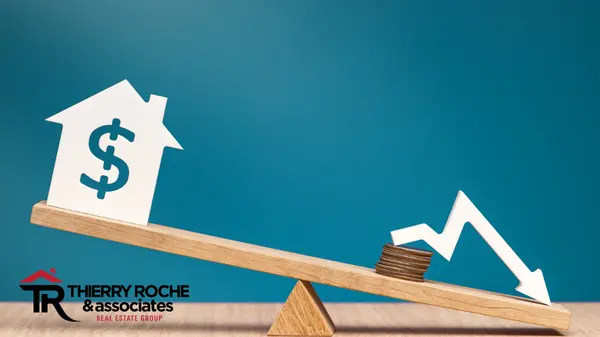
Real estate markets move whether we are ready or not. Opportunities related to pricing, timing, and available inventory don’t pause while we become comfortable with the idea of change. Waiting too long can sometimes mean missing favorable market conditions.
Equity Is a Tool, Not a Trophy
Many homeowners build significant equity over time, but that equity only becomes useful when it’s used intentionally. Untapped equity can help fund lifestyle changes, new opportunities, or better living situations, but only if homeowners are willing to explore their options.
Homes Can Outgrow People
Sometimes it isn’t the homeowner who changes, but the home itself that becomes less practical. Layouts, maintenance needs, or features like stairs or pools that once worked well may quietly become burdens over time.
Opportunity Has a Shelf Life
Waiting indefinitely can sometimes lead to higher costs, fewer housing choices, or missed market windows. Real estate markets evolve, and timing can influence both selling opportunities and buying options.
Comfort Can Mask Hidden Costs
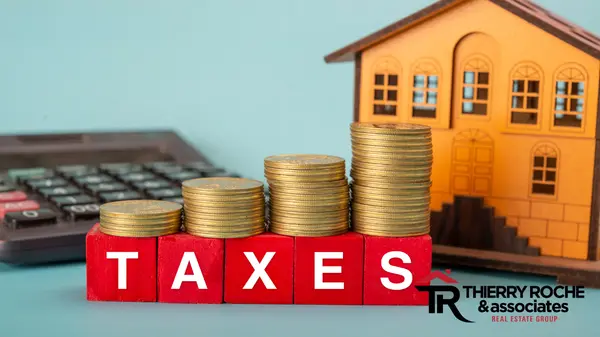
Staying in a home often feels financially neutral, but that isn’t always the case. Deferred maintenance, aging systems, and inefficient layouts can quietly add expenses over time.
Lifestyle Needs Change
Life rarely stays the same. Careers evolve. Health needs change. Families grow or shrink. Priorities shift. Even when the house remains the same, the people living in it continue to change.
Planning Beats Reacting
Homeowners who explore their options early often make better decisions when change eventually becomes necessary. Understanding your home’s value, the market, and potential opportunities allows you to move from a position of confidence rather than urgency.
The goal isn’t to rush into a decision. It’s simply to stay informed and thoughtful about how your home fits your life today and tomorrow.
If you’d ever like to talk about your home, your equity, or what options might exist in today’s market, I’m always happy to have that conversation.
Categories
Recent Posts